

 See My Latest Article on HelloNation
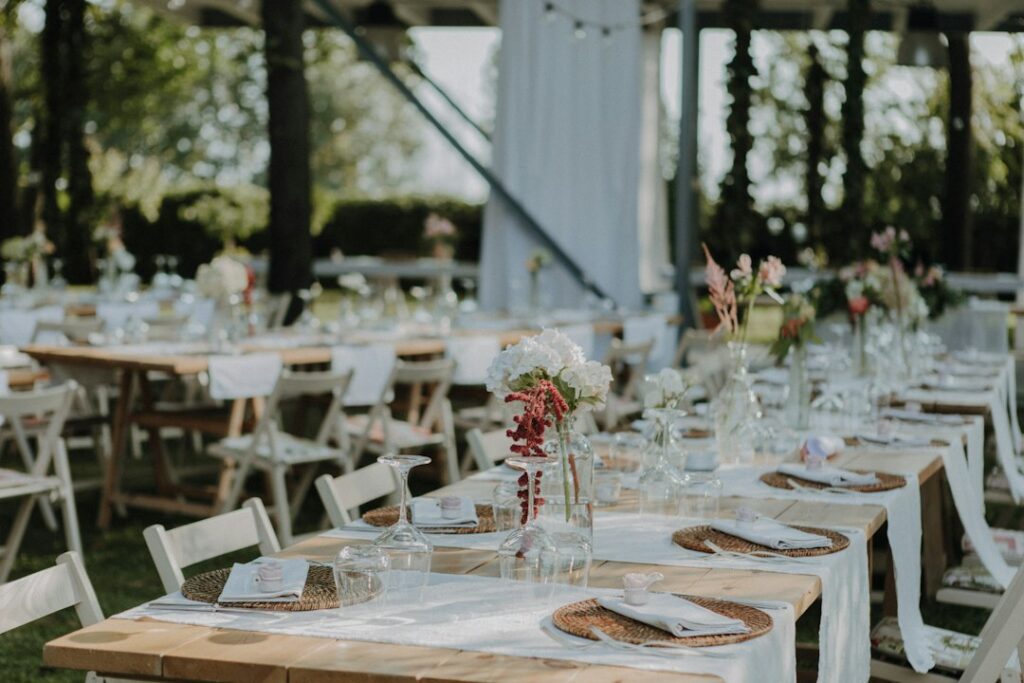
A wedding menu should reflect the couple’s preferences, the season, the guest list, and the practical conditions of the reception space. The strongest menus are not necessarily the most elaborate. They are well-timed, easy to serve, considerate of dietary needs, and suited to the setting.
How should a couple begin planning the menu?
Start with the reception schedule, guest count, venue conditions, and overall meal format before choosing individual dishes. These decisions affect food quantities, staffing, equipment, and the timing of every course.
A useful planning sequence is:
- Confirm the approximate guest count and meal time.
- Decide whether the meal will be plated, buffet-style, family-style, or served as stations.
- Identify the available kitchen, refrigeration, heating, water, and electrical access.
- Review the reception timeline, including the ceremony, cocktail hour, speeches, dancing, and dessert.
- Collect dietary information early.
- Build the menu around two or three dependable main options rather than too many selections.
The menu should fit the event’s pace. A plated meal may work well for a formal reception with a defined seating chart, while a buffet or food station format can offer more flexibility for guests who eat at different speeds.
Which meal format works best for a wedding?
There is no single best format. The right choice depends on the reception layout, guest needs, available service space, and desired level of structure.
A plated dinner offers predictable portions and a coordinated schedule. It can be a good fit when the reception has assigned seating and a short window for dinner service. However, guests usually need to select their entrée in advance, and the kitchen must keep courses moving consistently.
A buffet gives guests more control over portion size and side dishes. It can also make it easier to accommodate varied preferences. The tradeoff is that lines may form, and food presentation, replenishment, and temperature control require careful attention.
Family-style service places shared platters on each table. This encourages conversation and can feel relaxed, but it requires enough table space and can be less efficient in crowded seating arrangements.
Food stations are useful when the couple wants variety, such as a salad area, carving station, grain bowl station, or dessert table. Stations should be spread out enough to prevent congestion and should include clear labels for common allergens and dietary restrictions.
How many menu choices should be offered?
Two main entrée choices are usually enough for a wedding meal, especially for plated service. Offering too many options can create ordering errors, slower service, and difficulty keeping every dish at the proper temperature.
A balanced menu might include:
- One meat, poultry, or seafood entrée.
- One vegetarian entrée that is substantial enough to serve as a complete meal.
- Several side dishes with different textures and flavors.
- A salad or vegetable course.
- A dessert selection that includes at least one option for guests with dietary restrictions.
A vegetarian entrée should not be treated as a smaller substitute for the main dish. A composed grain dish, stuffed vegetable, pasta preparation, or roasted vegetable plate can provide enough protein and substance for a full dinner.
Guests with allergies may need more than a menu label. Ask how ingredients are handled, whether shared cooking surfaces are used, and whether cross-contact can be avoided. This is especially relevant for severe allergies involving nuts, shellfish, dairy, eggs, wheat, or gluten.
What foods work well for Colorado Springs, CO weddings?
The local climate and elevation can influence food service, particularly for outdoor celebrations. Dry conditions, strong sun, sudden weather changes, and cool evenings may affect both guests and food.
For outdoor receptions, select dishes that remain appealing during service and avoid relying too heavily on items that wilt, melt, or lose their texture quickly. Consider:
- Roasted vegetables instead of delicate raw preparations that may dry out.
- Sauces served separately when possible.
- Chilled foods kept in properly monitored containers.
- Desserts that can tolerate a short period outside refrigeration.
- Warm side dishes planned around insulated service equipment.
- Hydrating nonalcoholic beverages available throughout the reception.
At higher elevations, baking and cooking times can behave differently, especially for cakes, breads, pastries, and other recipes that depend on precise moisture and leavening. A cake may also soften or shift more quickly in warm outdoor conditions. The person preparing the dessert should account for the reception environment, transport time, and storage requirements.
Weather plans should include more than a tent or indoor backup. Food tables, beverage service, refrigeration, shade, wind protection, and access paths should all be considered.
How can the menu accommodate dietary restrictions?
Dietary information should be collected with the RSVP process rather than a few days before the event. Ask guests to identify allergies, medical restrictions, vegetarian or vegan preferences, and other needs in clear language.
Separate these categories:
- Food allergy: May require strict avoidance and cross-contact precautions.
- Medical restriction: May involve ingredients such as gluten, dairy, sodium, or sugar.
- Preference: May include vegetarian, vegan, or religious dietary practices.
- Temporary need: Could include soft foods or other personal requirements.

Avoid promising that a dish is “safe” unless the food preparation process has been reviewed. Labels should be specific, such as “contains dairy,” “contains nuts,” or “vegan,” rather than vague descriptions.
Place specialty meals where they can be identified discreetly without singling out guests. Service staff should know which meals are restricted and where they are being delivered.
How much food and beverage should be planned?
Food quantities depend on the meal format, reception length, guest demographics, time of day, and whether substantial appetizers are served. A late-afternoon reception may require a different plan from an evening event.
Cocktail-hour food should be substantial enough to bridge the gap until dinner. If the ceremony and meal are separated by a long period, guests may need more than a few decorative bites.
Plan beverages across the entire event, including water, nonalcoholic options, coffee or tea, and drinks suited to the season. Outdoor gatherings require easy access to water, particularly during warm, dry weather. Alcohol service should be coordinated with food timing so guests are not drinking for an extended period without a meal.
A useful approach is to identify which foods can be replenished, which must be served immediately, and which can safely be prepared in advance. This reduces waste while keeping service reliable.
What menu details are often overlooked?
Several small decisions have a noticeable effect on the guest experience:
- Confirm whether tables have enough space for plates, glasses, shared dishes, and centerpieces.
- Make sure buffet lines are accessible to older guests and people with mobility limitations.
- Provide serving utensils that match each dish.
- Keep sauces, condiments, and dressings clearly identified.
- Plan a vendor or staff meal if people will be working through the reception.
- Coordinate dessert timing with speeches, dancing, and the final portion of the event.
- Arrange safe storage for leftovers and confirm who is responsible for them.
- Use sturdy plates and cups for outdoor service, especially in windy conditions.
The menu should also reflect the event’s energy. A formal dinner may call for measured courses, while a relaxed celebration may be better suited to shareable foods and flexible service. The goal is a meal that supports conversation and celebration rather than creating unnecessary delays.
How far in advance should the menu be finalized?
Begin broad menu planning several months before the wedding. The final guest count, dietary information, entrée selections, and service timeline should be confirmed closer to the event according to the requirements of the people preparing and serving the food.
Before final approval, review the menu as a complete experience:
- Does it include enough variety without becoming complicated?
- Can every dish be served at the right temperature?
- Are dietary needs handled respectfully and safely?
- Does the meal fit the reception schedule?
- Are outdoor conditions accounted for?
- Is there a clear plan for beverages, dessert, leftovers, and cleanup?
A thoughtful wedding menu balances flavor with logistics. In Colorado Springs, seasonal conditions and outdoor reception variables deserve particular attention, but the underlying principle is universal: choose food that guests can enjoy comfortably, safely, and without interrupting the celebration.