

 See My Latest Article on HelloNation
What Makes a Wedding Decoration Sustainable?
Sustainable wedding decorations rely on minimizing waste and making conscious choices around materials and sourcing. Local residents frequently ask if it’s difficult or expensive to “go green,” but sustainable approaches are widely accessible for events across Colorado Springs, CO. Focus is often placed on reusable, compostable, or natural elements, while reducing single-use plastics and avoiding items that travel long distances.
In this city’s foothill climate—where wind, afternoon sun, and sudden weather changes are common—thoughtful planning for sustainability also means designing decorations that are sturdy, weather-appropriate, and easily packed up for reuse.
How Can Flowers Be Used Sustainably?
Fresh flowers are a tradition, but many are sourced from out of state or even overseas. To create sustainable floral arrangements in Colorado Springs, try these approaches:
- Choose flowers in season and grown by local farmers. Early summer showcases lilacs and peonies, while late summer offers sunflowers and zinnias.
- Use potted plants, herbs, or succulents as table décor, which can be kept after the event or given to guests as favors.
- Borrow vases or consider fabric-wrapped bouquets (using upcycled textiles) instead of single-use plastics or floral foam.
- Avoid synthetic glitter, spray paint, or dyed foliage which can harm the environment during disposal.
A common misconception is that locally sourced flowers will always cost more. In fact, area growers in Colorado Springs often have competitive pricing, especially during peak blooming months.
Is It Possible to Decorate Without Creating Excess Waste?
Minimizing waste is one of the most significant aspects of sustainable wedding decor. Residents sometimes believe biodegradable decorations must be plain or rustic, but creativity plays a key role.
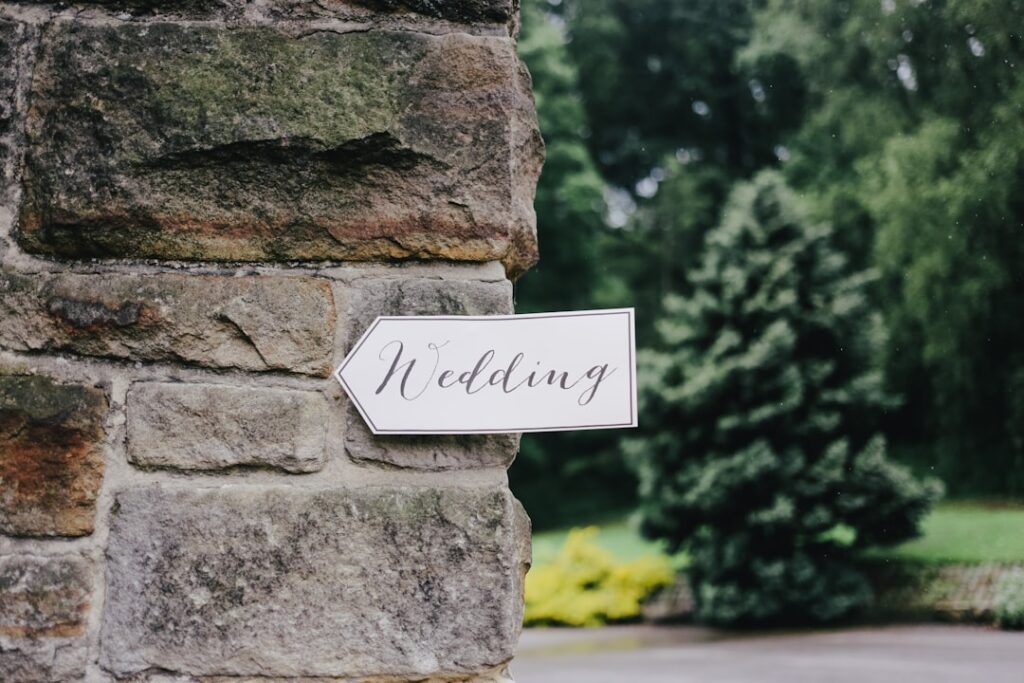
Table runners and napkins can be made from rented or upcycled fabric, keeping disposable paper products to a minimum. For signage and menus, choose chalkboards, wood panels, or recycled paper. String lights that use LED bulbs conserve energy and can be reused for future gatherings or loaned to others.
Centerpieces are easily overlooked when considering waste. Instead of elaborate, single-use arrangements, consider:
- Arrangements featuring found objects like river stones or pinecones from permitted areas (never collect from protected lands)
- Displays of vintage books, lanterns, or locally gathered wood slices
- Personalized items that guests can take home as lasting mementos
Are There Eco-Friendly Alternatives to Balloons and Confetti?
Balloons and plastic confetti are problematic for Colorado Springs’ delicate wildlife and rapidly changing weather, which can scatter debris quickly.
For a festive atmosphere, try:
- Dried flower petals or birdseed (using sparingly and ensuring native, non-invasive types)
- Bubbles from refillable, non-toxic containers
- Fabric or recycled-paper garlands, which withstand wind and can be kept as keepsakes
Couples sometimes assume all biodegradable confetti is safe for the outdoors; however, some types contain seeds or dyes harmful to local habitats. Always check that materials are chemical-free and suited for the local landscape.
How Can Decorations Reflect The Local Landscape?
Integrating the natural beauty of the surrounding foothills, parks, and open spaces into décor choices offers both a local flair and low-impact design. Wood, stone, and native plants blend into outdoor venues and require little alteration.

Popular ideas in the area include:
- Using pinecones, juniper branches, or wild grasses sourced responsibly (never from protected open spaces)
- Incorporating thrifted or borrowed objects that mirror local history, such as antique skis as signage or wildflower-inspired motifs
- Maximizing natural lighting, especially in outdoor or barn venues, which reduces the need for elaborate artificial fixtures
For those planning during unpredictable weather seasons, it is wise to choose décor that can handle wind or be moved indoors quickly.
What Should Be Considered for Food and Beverage Presentation?
Plates, cups, and utensils can be major sources of wedding-day waste. Instead of disposables, local households may opt for rented tableware or compostable alternatives that break down in municipal compost facilities.
Edible centerpieces—like fruit, nuts, or bread boards—offer a practical touch that leaves little behind after the event. Glassware can be marked with tags or etchings for guest reuse throughout the celebration.
Consider asking guests, when practical, to return their glass or plate to a central station to streamline post-event cleanup and ensure materials are recycled or composted properly.
What Are Common Challenges to Watch for in Colorado Springs?
Sustainable plans sometimes meet barriers, such as:
- Sudden weather changes altering the feasibility of outdoor installations
- Wind displacing lightweight decorations
- Limited access to locally grown flowers during certain seasons
- Some compostable products requiring commercial composting rather than home compost
Preparation is essential. Weigh decorations down securely, have backup locations for décor elements, and verify that any compostable goods meet local facility standards.
Being realistic about time, budget, and available resources allows for a smoother planning process. The most successful eco-conscious weddings in the city reflect value-driven, resourceful decisions rather than rigid adherence to an aesthetic.