

 See My Latest Article on HelloNation
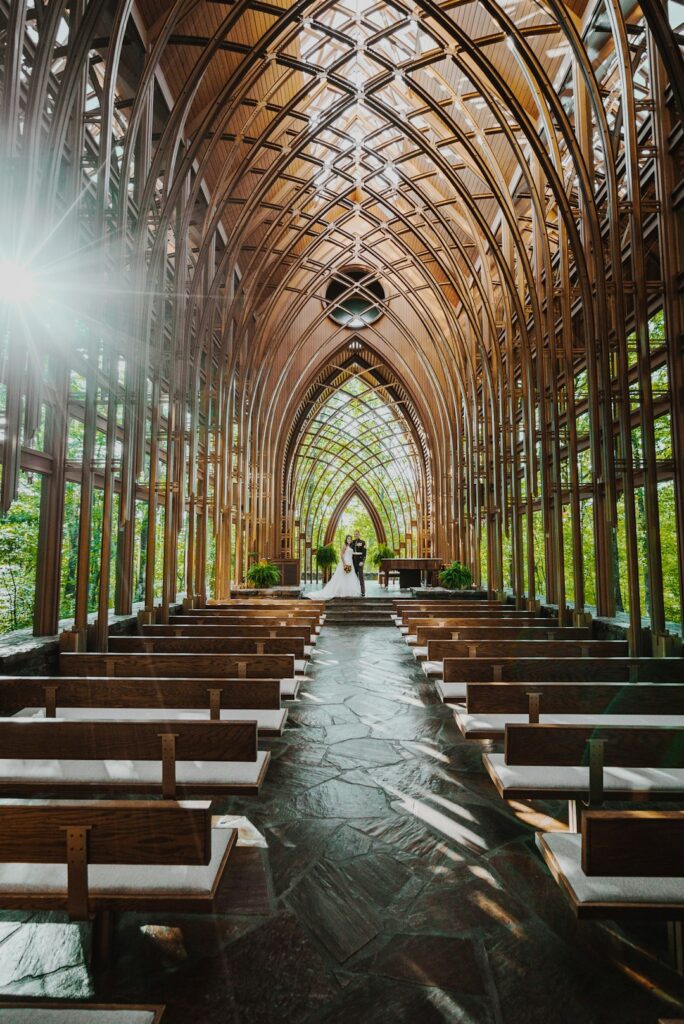
What Should Couples Expect When Planning a Traditional Church Wedding?
Couples in Colorado Springs, CO planning a traditional church wedding can expect a process that combines ceremony scheduling, religious customs, and venue coordination unique to both the chosen church and the local lifestyle. Unlike outdoor or secular venues, church weddings often require more advance planning for both logistical and spiritual components.
The city’s varied climate, seasonal changes, and neighborhood patterns also factor into timing and accessibility for guests. Planning should start six to twelve months ahead to ensure flexibility with church calendars and seasonal considerations.
How Do Local Church Requirements Affect the Planning Process?
Each church in Colorado Springs usually has its own guidelines covering marriage preparation, ceremony rules, and expectations for decorum. These requirements can influence decisions about attire, music, and even who officiates the service.
- Many local churches request proof of baptism, faith membership, or completion of premarital counseling.
- Ceremony times and rehearsal dates may be limited due to regular religious services.
- Some venues require that only certain songs or readings be used, or that decorations do not damage historic interiors.
- Alcohol is rarely permitted on church grounds.
Misunderstandings about these expectations can cause stress late in the process, so early and open dialogue with the wedding coordinator or clergy is essential.
What Are Common Misconceptions About Traditional Church Weddings in the City?
A frequent misconception is that any couple can automatically reserve a desired date without prior church affiliation. In reality, some churches in Colorado Springs prioritize members or require a longer preparation period for non-members. Another misconception is that all churches provide the same amenities; spaces range widely, with some having modern sound systems and dedicated event staff, while others are more traditional and modest.
Weather also plays a larger role than many realize. The city’s tendency toward afternoon rain in late spring or sudden winter storms can impact transportation, photography, and floral planning, even for an indoor ceremony.
How Should Couples Time Their Wedding for Colorado Springs Weather and Local Life?
Timing a church wedding in Colorado Springs often means considering both religious calendars and local climates. Spring and fall are popular due to pleasant temperatures, but this also means higher demand for church space and potential competition for parking during community events.
- Late spring through early autumn: Comfortable temperatures, but plan for weather shifts and area traffic.
- Winter weddings: Quaint, but unpredictable snowfall can delay guests. Early afternoon is usually best for light.
- Saturday ceremonies are the most popular, so early booking is crucial.
Planning guest transportation and considering nearby accommodations can smooth logistical hurdles in neighborhoods with limited parking.
Which Elements Should Be Coordinated With the Church?
Key elements for coordination include music, readings, photography, and decorations. Most churches have strict guidelines:
- Organists or choirs may need advance booking.
- Specific readings may require approval.
- Photographers must follow rules about when photos can be taken and where they are allowed.
- Candles, aisle runners, and floral displays may face restrictions to protect flooring and sanctuary fixtures.

Asking for a written list of church rules early in the process avoids last-minute complications.
What Should Couples Know About Guest Experience and Accessibility?
Traditional churches in Colorado Springs range from historic buildings with multiple steps and minimal air conditioning to newer facilities offering ramp access and climate control. It’s helpful to assess mobility needs for elderly or out-of-town guests. If the church is in a denser neighborhood, on-site parking may be minimal, requiring shuttle service or organized carpools.
Letting guests know about limited amenities (such as lack of child care or air conditioning) helps them prepare. Clear directions, signage, and ushers contribute to a welcoming atmosphere, especially for those unfamiliar with local street patterns.
How Can Couples Personalize a Traditional Church Wedding While Respecting Customs?
Personalization is often possible, but choices may be more limited than with secular venues. Couples can often select preferred readings, family members to participate in the ceremony, and floral colors. Sometimes, unity candles or similar traditions are welcome.
Requesting a meeting with the officiant or church coordinator allows couples to discuss which touches are permitted and how they can reflect personal faith or heritage within church guidelines.
What Is Often Overlooked When Planning a Church Wedding Here?
Several factors unique to Colorado Springs are easy to underestimate:
- Altitude may affect out-of-town guests, especially elderly family.
- Heating or air conditioning in older churches can be inconsistent.
- Local wildlife is less of a concern for church interiors but may impact outdoor photos or receptions nearby.
- Sound in historic sanctuaries can make microphone checks essential for larger gatherings.
Being mindful of these local nuances ensures a smoother day and a more comfortable experience for couples and their communities.