

 See My Latest Article on HelloNation
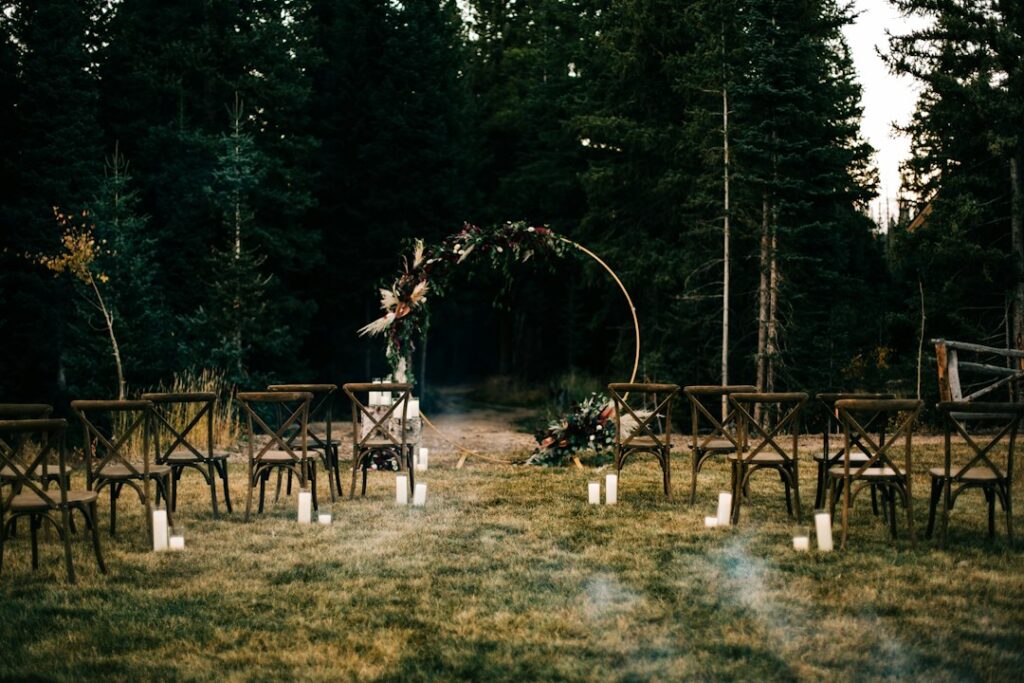
Wedding themes can help couples make consistent decisions about the ceremony, reception, attire, flowers, lighting, and table design. A theme does not need to be elaborate or expensive; it can be as simple as choosing a shared mood, color family, or visual setting that reflects the couple’s personalities.
For couples planning in Colorado Springs, CO, the local setting can influence those choices. Bright sun, cool evenings, changing weather, elevated terrain, and scenic outdoor surroundings may affect ceremony timing, guest comfort, décor materials, and backup plans.
What makes a wedding theme practical?
A practical wedding theme gives the celebration a recognizable feeling without requiring every detail to match perfectly. It should guide decisions rather than create a long list of rules.
Useful theme-building questions include:
- Do you want the day to feel relaxed, formal, romantic, rustic, modern, or playful?
- Will most of the celebration take place indoors, outdoors, or in both settings?
- Which colors already appear in the venue, landscape, or season?
- Will the décor remain comfortable in direct sunlight, wind, or cool evening temperatures?
- Does the theme fit the clothing, meal style, music, and guest experience?
A theme is usually easier to manage when it is based on two or three clear ideas, such as “natural, warm, and understated” or “formal, candlelit, and timeless.”
Is a mountain-inspired wedding theme suitable for the area?
A mountain-inspired theme can work well for couples who want to reflect the region’s rugged scenery, outdoor lifestyle, or natural textures. It does not require a lodge-style setting or heavy use of rustic decorations.
A refined version might include:
- Wood, stone, wool, linen, or leather accents
- Greenery, dried grasses, seasonal branches, or native-looking floral textures
- Deep green, warm ivory, muted blue, clay, or brown tones
- Simple tablescapes with natural materials rather than large decorative displays
- Ceremony arrangements that frame the landscape instead of competing with it
A common misconception is that a mountain theme must include antlers, burlap, pinecones, and dark wood everywhere. Those elements can quickly make a design feel crowded or overly literal. A few natural textures paired with clean linens and simple lighting often create a more balanced result.
Outdoor scenery should also be considered from the guest’s perspective. Strong sunlight can affect photographs and visibility, while wind can disturb paper goods, lightweight décor, veils, and floral arrangements. A shaded ceremony area, weighted displays, and comfortable seating may be more useful than additional decoration.
How does a garden wedding theme work in a dry climate?
A garden theme can be adapted to a drier climate by focusing on the feeling of abundance rather than using large quantities of delicate flowers. The look can come from layered greenery, seasonal branches, potted plants, textured linens, and carefully chosen floral arrangements.
Garden-inspired details may include:
- Soft greens, cream, blush, lavender, or pale yellow
- Clusters of flowers rather than a continuous floral installation
- Ceramic vessels, glass accents, or vintage-style table details
- Aisle arrangements that can be moved to the reception afterward
- Outdoor lounge seating surrounded by plants or greenery
Couples should think about how flowers and greenery will hold up during the ceremony and photographs. Direct sun, dry air, and warm surfaces can shorten the life of delicate blooms. Floral choices should be appropriate for the season, and arrangements may need water sources, shade, or protected placement.
A garden theme does not have to mean an outdoor wedding. Indoor spaces can achieve the same atmosphere through potted plants, botanical stationery, green napkins, patterned fabrics, and natural light.
What is a modern minimalist wedding theme?
Modern minimalism centers on clean lines, limited colors, uncluttered tables, and intentional details. It can be a good fit for couples who prefer a polished setting without extensive décor.
A minimalist wedding may use:
- White, ivory, black, gray, or one muted accent color
- Simple floral arrangements with strong shapes
- Plain or lightly textured linens
- Streamlined stationery and signage
- Architectural lighting, candles, or carefully placed overhead fixtures
- A small number of larger visual elements instead of many small decorations
Minimalism is not the same as having an empty or unfinished room. The design still needs warmth, which can come from candlelight, wood, soft fabric, greenery, or layered lighting.
This theme also encourages careful attention to practical details. In a simple setting, exposed cords, mismatched chairs, cluttered service areas, and poorly placed signs may be more noticeable. A clear layout and consistent materials often matter more than additional decorations.
How can couples create a romantic or classic theme?
Romantic and classic themes rely on familiar elements such as soft lighting, elegant fabrics, gentle colors, and formal floral arrangements. They can be adjusted for either a traditional reception or a more relaxed celebration.
Common choices include:
- Candlelight or warm-toned lighting
- Ivory, champagne, dusty rose, pale blue, or muted mauve
- Floral arrangements with rounded, soft, or garden-style shapes
- Draped fabric, fine stationery, or subtle metallic accents
- Formal place settings and coordinated table linens
For outdoor celebrations, candles should be protected from wind, and open flames may be restricted by venue rules or fire-safety requirements. Battery-operated lighting can provide a similar appearance while reducing concerns about wind and placement.

Classic does not have to mean overly formal. A relaxed meal, shorter ceremony, or comfortable attire can keep the celebration approachable while the visual details remain elegant.
What are good themes for an autumn or winter wedding?
Seasonal themes work best when they reflect the atmosphere of the season without relying on decorations that have limited use. Autumn can be represented through warm color, texture, and natural materials. Winter can emphasize light, greenery, and warmth rather than holiday-specific symbols.
Autumn ideas include:
- Rust, terracotta, amber, olive, cream, and warm brown
- Dried grasses, branches, seasonal fruit, or textured foliage
- Velvet, wool, linen, or woven table details
- Warm lighting and comfortable lounge areas
Winter ideas may include:
- White, silver, evergreen, charcoal, or deep blue
- Candlelight, soft fabric, evergreen branches, and reflective details
- Warm drinks or comfort-focused food options
- Indoor gathering areas for guests arriving from colder conditions
In Colorado Springs, CO, temperatures can change significantly between daytime and evening, especially during shoulder seasons. Even an outdoor ceremony planned for a mild afternoon may require blankets, heaters where permitted, covered walkways, or an indoor alternative after sunset.
Can a wedding theme be based on color alone?
Yes. A color-based design can be more flexible than a highly specific theme. Couples might choose a palette such as sage and ivory, terracotta and cream, navy and gold, or lavender and gray, then allow the venue and season to shape the rest.
A useful palette usually includes:
- One dominant color
- One supporting color
- One neutral
- Optional metallic or natural accent
Colors should be reviewed in the actual ceremony and reception spaces because indoor lighting, outdoor shade, wall colors, flooring, and table surfaces can change how they appear. Paper samples or fabric swatches are often more reliable than choosing colors from a phone screen.
How should the theme affect guest comfort?
A theme should support the experience rather than make guests work around the décor. Outdoor plans should account for sun exposure, wind, uneven ground, temperature changes, and restroom access. Indoor plans should consider ventilation, circulation, sound levels, and seating.
Guest comfort may involve:
- Clear directions between ceremony, reception, and parking areas
- Shade or weather protection
- Comfortable seating for older guests and children
- A coat area during cool seasons
- Lighting that makes paths and steps easy to see
- Décor that does not block conversation or table service
The strongest wedding themes are recognizable but flexible. A couple can choose a mountain-inspired, garden, minimalist, romantic, seasonal, or color-based direction and still adjust the details to fit the setting, weather, budget, and people attending the celebration.