

 See My Latest Article on HelloNation
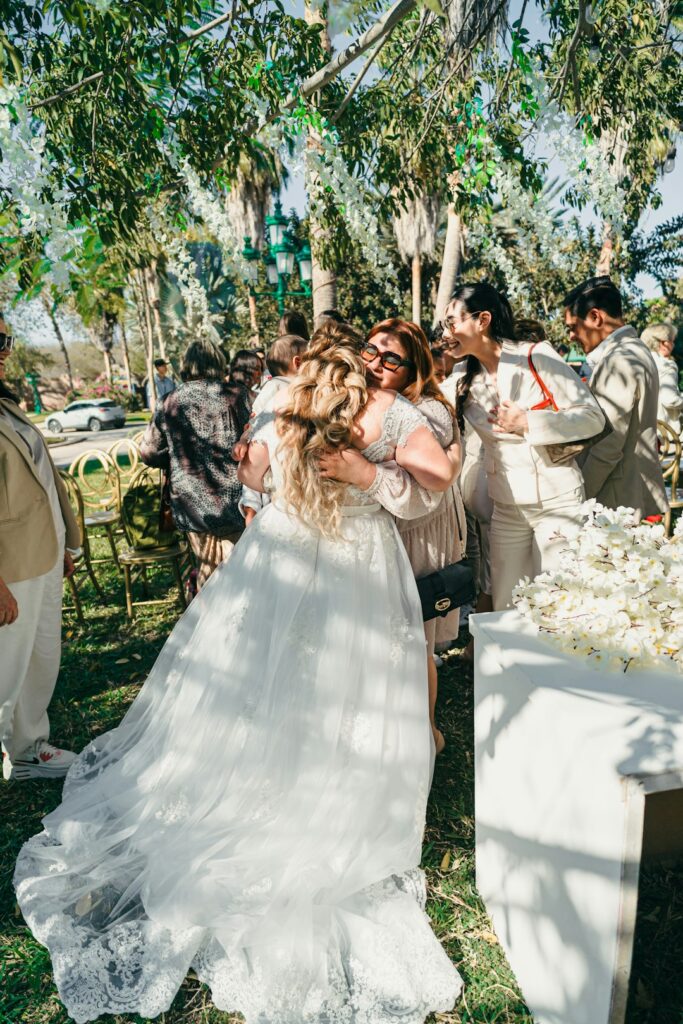
Wedding jitters are common, even for couples who feel confident about their relationship and excited about marriage. In Colorado Springs, CO, pre-wedding stress may also be shaped by travel distances, changing mountain weather, family logistics, outdoor plans, and the number of decisions involved in hosting an event.
Feeling nervous does not automatically mean something is wrong. The useful question is whether the anxiety is ordinary event-related stress or a deeper concern that deserves honest attention.
Why do weddings create so much anxiety?
Wedding stress often comes from several smaller pressures happening at once. Couples may be managing finances, family expectations, guest communication, clothing, transportation, food, schedules, and legal details while also trying to maintain everyday work and household responsibilities.
Common sources of pre-wedding jitters include:
- Fear that something will go wrong
- Worry about disappointing guests or relatives
- Pressure to create a meaningful or memorable day
- Disagreements about spending and priorities
- Anxiety about being the center of attention
- Concerns about changes after marriage
- Exhaustion from making repeated decisions
- Stress caused by compressed timelines or last-minute changes
The wedding itself may be temporary, but the emotional weight can feel large because it represents family relationships, personal identity, finances, and a major life transition.
Are wedding jitters normal?
Yes. Mild nervousness, irritability, trouble sleeping, or repeated thoughts about the event can be normal during the months or weeks before a wedding. Anxiety often increases as the date approaches because fewer decisions remain flexible and more people become involved.
Normal jitters usually come and go. A person may feel tense while reviewing the schedule but relaxed when thinking about the marriage or spending time with their partner.
More serious warning signs deserve careful attention. These may include persistent dread about the relationship, feeling pressured or unsafe, repeated thoughts of ending the engagement, severe panic, inability to function at work or home, or conflict involving intimidation and control. Those concerns are not simply wedding planning stress and should not be dismissed as normal nerves.
How can couples separate event anxiety from relationship concerns?
Start by identifying the specific thought behind the anxiety. “I am nervous about the wedding” is broad. More precise questions can make the concern easier to understand:
- Am I worried about the marriage, or about the event?
- Would I feel calmer if the guest list and schedule disappeared?
- Is this concern connected to one unresolved disagreement?
- Do I feel free to express uncertainty?
- Can my partner listen without mocking, threatening, or pressuring me?
- Are both of us choosing this commitment willingly?
A couple may be deeply secure while feeling overwhelmed by the ceremony. Another couple may use planning arguments to avoid larger relationship problems. Writing down concerns separately can reveal whether the stress is logistical, financial, family-related, or emotional.
Honest conversation should focus on understanding rather than winning. Useful statements begin with “I feel,” “I need,” or “I am worried about,” instead of assigning blame.
What practical steps reduce wedding stress?
Reducing the number of active decisions can provide immediate relief. Couples can create one shared list with three categories:
- Must be completed for safety, legality, or basic event function
- Helpful but flexible
- Optional details that can be removed without harming the day
This prevents minor preferences from receiving the same attention as essential tasks. A simple schedule should include deadlines, responsible people, payment dates, guest communication, and backup plans.
It also helps to establish a decision rule. For example, the couple might agree that decisions under a certain cost can be made by one person, while larger expenses require a conversation. This reduces repeated discussions and prevents one partner from carrying all the mental work.
A wedding does not need to satisfy every imagined expectation. Guests generally remember whether the day felt welcoming and organized more than they remember small decorative details.
How should couples handle family pressure?
Family involvement can be supportive, but it can also create anxiety when relatives expect control over the guest list, traditions, budget, ceremony, or seating arrangements.
Before responding to individual requests, couples should agree privately on their boundaries. Questions to discuss include:
- Who has decision-making authority?
- Which traditions matter to the couple?
- What information should remain private?
- What financial help, if any, comes with expectations?
- Which disagreements are worth addressing and which can be allowed to pass?

A calm, brief response is often more effective than a long defense. Statements such as “That will not work for the plan we have chosen” or “We are keeping this decision between the two of us” set a boundary without inviting an extended debate.
In a close-knit community, relatives and friends may know one another across multiple parts of the event. That can make privacy and clear communication especially useful when sensitive family issues arise.
What helps with nerves on the wedding day?
The body needs basic care before emotional calm is possible. Couples should plan for food, water, rest, medication routines, comfortable clothing, and short breaks. Colorado Springs weather can shift quickly, and sun, wind, cold mornings, or sudden afternoon storms may add physical stress to outdoor plans. A realistic schedule should allow time for changing conditions rather than treating every minute as fixed.
Helpful strategies include:
- Eat a familiar breakfast or meal with protein and carbohydrates
- Limit excess caffeine and alcohol
- Keep water available throughout the day
- Designate one trusted person for questions and minor problems
- Build quiet time into the schedule
- Avoid checking every message personally
- Practice slow breathing with a longer exhale
- Focus attention on the next immediate step rather than the entire event
A breathing pattern such as inhaling gently for four counts and exhaling for six can help reduce physical activation. It may not eliminate anxiety, but it can make the sensation more manageable.
How can couples protect their relationship during planning?
Set regular periods when wedding discussions are off-limits. Meals, walks, exercise, and ordinary household routines should not become constant planning meetings. Protecting normal life helps the couple remember that the relationship is larger than the event.
It is also useful to schedule short planning sessions with a defined purpose. A 30-minute conversation about transportation is less exhausting than allowing the same issue to interrupt every evening.
Couples should continue doing activities that have nothing to do with the wedding. Shared routines such as cooking, watching a familiar show, visiting a park, or taking a walk can restore a sense of normalcy. In the local high-altitude environment, people who are not accustomed to elevation may also benefit from pacing outdoor activities and paying attention to hydration and fatigue.
When should someone seek additional support?
Extra support is appropriate when anxiety interferes with sleep, eating, work, safety, or the ability to make ordinary decisions. It is also appropriate when the couple is stuck in the same conflict, cannot discuss concerns respectfully, or feels unable to speak freely.
Support may come from a trusted relative, faith leader, counselor, or mental health professional, depending on the situation. Relationship concerns should be handled with honesty rather than concealed until after the ceremony. If anyone feels threatened, controlled, or unsafe, personal safety takes priority over preserving wedding plans.
Pre-wedding anxiety does not have to disappear completely. The practical goal is to understand what the nervousness is communicating, reduce avoidable pressure, protect the relationship, and make space for informed choices. A meaningful wedding plan leaves room for changing weather, imperfect details, human emotions, and the fact that the marriage matters more than a flawless event.