

 See My Latest Article on HelloNation
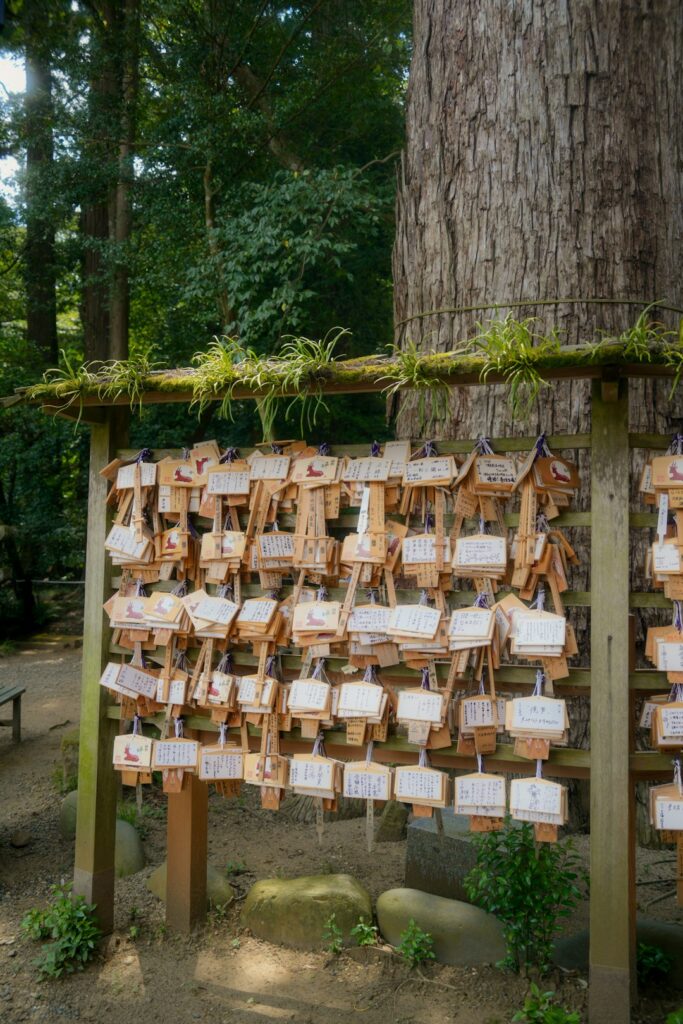
What should escort cards and place settings accomplish?
Escort cards direct guests to their assigned tables, while place settings identify each guest’s specific seat. Used together, they help dinner service run smoothly and give the reception table a finished, personal look.
The most effective designs balance appearance with practical details:
- The guest’s name should be easy to read.
- The table assignment should be immediately visible.
- The card should remain stable in changing weather or indoor airflow.
- The design should match the formality and layout of the reception.
- Any food-related information should be accurate and easy for servers to reference.
Escort cards are generally arranged near the reception entrance. Place cards belong at individual seats. Combining both functions on one item can work, but only if guests can understand the seating plan without explanation.
Which escort card ideas work well for local receptions?
A creative escort card does not need to be expensive or elaborate. The most useful ideas are those that remain legible, hold up during transportation, and suit the setting.
Natural materials
Colorado Springs receptions often draw on nearby mountain, meadow, and high-desert landscapes. Natural materials can reflect that environment without turning the tablescape into a theme.
Ideas include:
- Small wood tags with names written or printed in clear lettering
- Thick paper cards paired with dried grasses or herbs
- Smooth stones marked with guests’ names
- Kraft paper folded into simple tent cards
- Pressed leaves or flowers attached to a traditional card
Materials that may shed, stain clothing, or carry strong scents should be used sparingly. Dried botanicals can also become brittle in dry conditions, especially if handled repeatedly during setup.
Functional favors
An escort card can double as a modest favor, but the seating information must remain the primary purpose. Examples include a labeled tea sachet, a small packet of seeds, a wrapped treat, or a reusable luggage tag.
Favor-style cards are easiest to manage when they are placed alphabetically rather than grouped only by table. Guests usually look for their own names first, so alphabetical organization reduces crowding and confusion.
Illustrated or themed cards
A reception with a distinct visual style may use cards shaped like leaves, stars, arches, or mountain silhouettes. The shape should support the design rather than make the name difficult to find.
For formal weddings, a simple card with a small illustration may feel more polished than a highly decorative piece. For relaxed gatherings, hand-drawn artwork can add personality while still remaining useful.
Escort card displays
Cards may be placed on a table, pinned to a board, tucked into vessels, or arranged on a freestanding display. The display should be stable and accessible from multiple sides when possible.
Avoid creating a narrow line where every guest must stand in one position. A broad table or two-sided arrangement helps prevent a bottleneck during the transition from ceremony to dinner.
How can place settings feel personal without becoming cluttered?
Personalized place settings work best when the name is the main visual element. Additional decorations should support the table design rather than compete with the guest’s assigned seat.
A few effective approaches include:
- A name card tucked into a folded napkin
- A flat card resting above the dinner plate
- A small tag tied around a napkin with ribbon or cotton cord
- A name written on a menu card
- A simple ceramic, wood, or paper token placed beside the plate
Menus can serve as place cards when each menu is individually labeled. This reduces the number of objects on the table, but names should be large enough to see before guests sit down. If menus contain long descriptions or multiple courses, the guest’s name may need a separate card.
For a formal place setting, the card may sit above the plate or directly on the napkin. For a more casual meal, placing it near the fork or glass can look natural. Cards should not be positioned where servers must move them to set down food.
What are creative alternatives to traditional paper cards?
Paper remains the most practical material, but other options can add texture and help guests remember their seats.
Edible place cards
Cookies, chocolate-covered treats, or small fruit-based items can display names on a label or edible surface. These should be protected from heat, direct sun, and moisture. Outdoor receptions may require a shaded or climate-controlled location so the cards do not soften or melt.
Fabric tags
Linen, cotton, or canvas tags can be printed, stamped, or embroidered. They work well with folded napkins and can be reused after the reception. Soft fabric should be paired with dark, high-contrast lettering because pale ink can be difficult to read.
Small objects
A guest’s name may be attached to a miniature object that fits the table design, such as a wooden shape, paper fan, ribbon marker, or small decorative tile. The object should be lightweight enough to transport and stable enough not to tip over.
Handwritten cards
Handwritten escort cards can feel warm and personal, particularly for smaller receptions. Consistency matters more than perfect calligraphy. Use a practice sample to confirm that the lettering remains readable under the venue’s lighting.
How should escort cards be organized?

Alphabetical organization by last name is usually the easiest system for guests. Organizing by table can look attractive, but it requires people to know their table assignment before they can find their names.
If the display is organized alphabetically:
- Use clear letter groupings when the guest list is large.
- Keep cards facing the same direction.
- Leave space for guests to remove cards without disturbing others.
- Double-check spelling, titles, and table numbers.
- Maintain a separate master list for the coordinator or catering team.
If a seating chart is used instead, list names in a large, readable format and keep table numbers visually distinct. A seating chart can reduce loose-card movement, but it may create a crowd if placed in a narrow entrance area.
A common misconception is that escort cards and seating charts are interchangeable. They serve the same general purpose but create different guest experiences. Loose cards offer flexibility and a personal touch; a chart provides a quick overview and may be easier to update at the last minute.
What should be considered for outdoor celebrations?
Outdoor conditions can affect both the appearance and function of paper goods. Colorado Springs has strong sun, dry air, wind, and sudden weather changes that may influence reception setup, particularly during spring and summer events.
Use heavier cardstock, weighted holders, clips, or enclosed containers when wind is possible. Avoid placing cards in direct sunlight for long periods because ink and paper colors can fade. If temperatures are high, protect edible cards and wax-based details from heat.
For evening receptions, test the display under the actual lighting conditions. Metallic ink, pale lettering, and transparent materials may look attractive in daylight but become difficult to read after sunset. Small battery-powered lights can improve visibility without overwhelming the table design.
Outdoor displays should also be positioned away from sprinkler areas, damp ground, and walkways where cards may be kicked or blown over.
How can dietary information be included discreetly?
Place settings can help guests and service staff identify dietary meals, but visible labels should be handled thoughtfully. A large symbol or bold wording may unintentionally draw attention to a guest’s medical or personal information.
Possible approaches include:
- A small coded mark known to the catering team
- A discreet symbol on the underside of the menu
- A coordinated notation on the seating chart used by staff
- A separate service list maintained by the reception team
The couple or planning team should confirm that the system is understood before guests arrive. Decorative cards should not replace direct communication about allergies or serious dietary restrictions.
What details should be checked before printing?
Proofreading is one of the most valuable steps in preparing escort cards and place settings. Confirm every name, table number, meal designation, and spelling before cutting or assembling the pieces.
Also check:
- Whether guests with similar names can distinguish their cards
- Whether table numbers match the final floor plan
- Whether the lettering can be read from a standing position
- Whether cards fit the chosen holders or napkin folds
- Whether the display can be transported without damage
- Whether last-minute changes can be handled cleanly
A simple, readable design usually serves guests better than a complicated arrangement. The most successful escort cards and place settings add personality while making the practical parts of the reception easier to navigate.