

 See My Latest Article on HelloNation
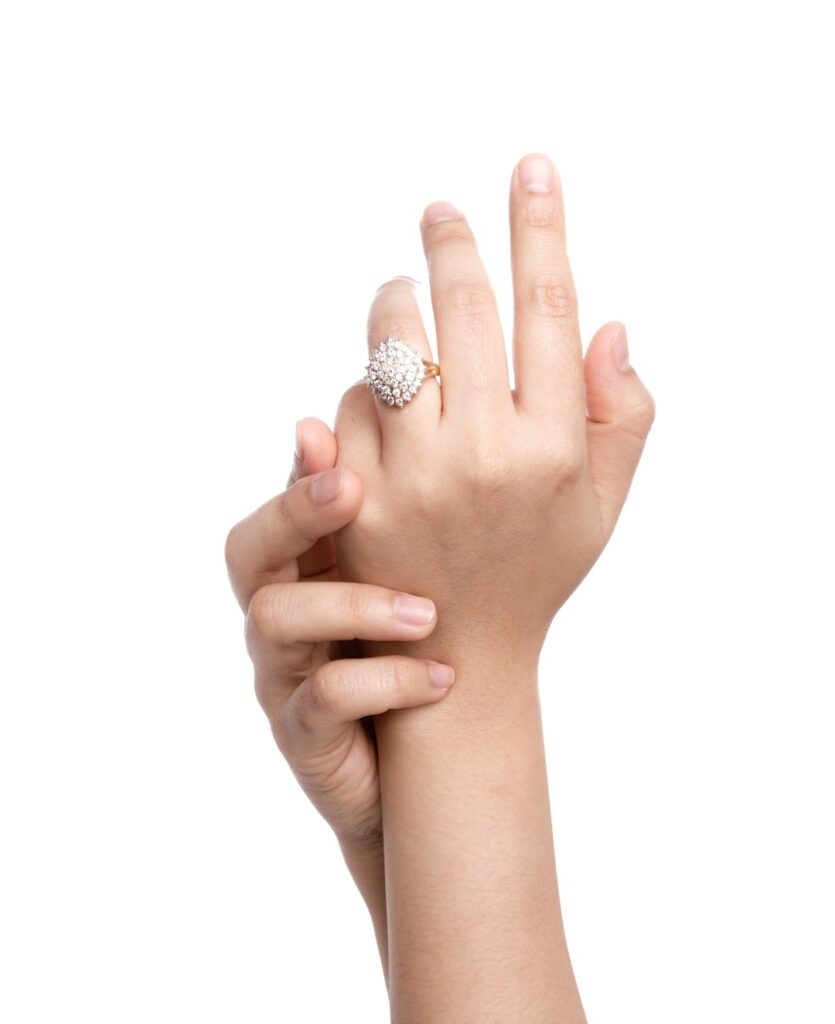
Choosing an ethical wedding ring involves more than finding a style that looks right. The metal, gemstone, labor practices, environmental impact, and documentation behind the ring all deserve attention. For couples in Colorado Springs, ring shopping may also involve practical concerns such as dry conditions, temperature changes, outdoor activities, and how a ring will hold up during everyday life.
What does “ethical” mean in a wedding ring?
An ethical wedding ring is made and sold with attention to human rights, environmental responsibility, and honest disclosure. The term is broad, so it should not be treated as a guarantee by itself.
Ethical sourcing may involve:
- Fair treatment and safe working conditions for miners, cutters, refiners, and manufacturing workers
- Responsible handling of environmental impacts from mining and processing
- Supply-chain documentation that identifies where materials came from
- Honest descriptions of natural, lab-created, recycled, or antique materials
- Policies addressing forced labor, child labor, corruption, and conflict financing
“Conflict-free” is narrower than “ethical.” A conflict-free claim generally refers to whether a diamond helped finance armed conflict. It may not fully address wages, environmental damage, labor abuses, or human rights concerns unrelated to rebel financing.
What is the Kimberley Process, and is it enough?
The Kimberley Process is an international certification system designed to prevent rough diamonds connected to rebel groups from entering legitimate trade. It is a useful baseline, but it does not answer every question an ethical shopper may have.
The system focuses primarily on conflict diamonds as they are formally defined within the certification framework. A diamond may meet that definition while still leaving unanswered questions about labor conditions, environmental practices, government conduct, or the treatment of local communities.
Ask for more than a general statement that a diamond is “conflict-free.” Useful questions include:
- Where was the rough diamond sourced?
- What documentation supports its origin?
- Was the stone cut and polished through a traceable supply chain?
- Does the seller distinguish between a Kimberley Process claim and broader responsible-sourcing practices?
- Can the seller explain how concerns about labor and environmental impacts are addressed?
A clear answer should be specific and supported by records, not just reassuring language.
Which metal is the most responsible choice?
There is no single metal that is automatically the most ethical. Each option has tradeoffs, and the quality of the sourcing information matters.
Recycled gold can reduce the need for newly mined material, but the term should be explained. Ask whether the metal is post-consumer recycled, reclaimed from manufacturing waste, or blended with newly mined gold. These categories are not identical.
Newly mined gold can come from responsible operations with environmental controls, worker protections, and traceability. A seller should be able to describe the standard or documentation used to evaluate the source.
Platinum is durable and naturally dense, which can make it suitable for a ring worn every day. Its ethical profile depends on the mine, refiner, and chain of custody rather than the metal name alone.
Silver may be less expensive, but it also requires responsible mining and processing. Lower cost does not automatically mean lower environmental or labor impact.
Look for terms such as “recycled,” “responsibly sourced,” or “traceable,” but ask what each term means in practice. A certification covering a company’s general practices may not prove that a particular ring contains material from a specific source.
Are lab-created diamonds ethical?
Lab-created diamonds are made in controlled facilities rather than extracted from the earth. They avoid many concerns associated with mining, including land disturbance and some mining-related labor risks. However, they still require energy, equipment, workers, and industrial inputs.
A responsible purchase should include clear disclosure that the stone is lab-created. The Federal Trade Commission requires sellers to describe diamond alternatives accurately so consumers are not misled about whether a stone is mined or manufactured.
Ask:
- Is the stone lab-created or natural?
- How is that information shown on the receipt and appraisal?
- What is known about the facility’s energy use and labor practices?
- Is the stone graded by an independent gemological laboratory?
A lab-created diamond is not automatically ethical in every respect, just as a natural diamond is not automatically unethical. The supply chain and the accuracy of the disclosure still matter.
What about antique, vintage, or inherited rings?
Previously owned rings can be an appealing option because they do not require new mining for the existing gemstone or metal. They may also preserve family history or reflect design styles that are no longer commonly produced.
However, an older ring still deserves inspection. Check whether:
- The gemstone is natural, lab-created, or an imitation
- The setting has thin, worn, or repaired areas
- The stone has been treated or fracture-filled
- The ring can be resized without weakening it
- The metal is solid, plated, or mixed with other materials
- Any repairs or replacements are documented
Inherited rings may have sentimental value, but sentimental value does not replace physical evaluation. A worn prong or weakened band can create a risk of losing the stone, especially during outdoor activities or hands-on work.
How can shoppers verify ethical claims?
Verification begins with asking precise questions and requesting written information. Ethical claims should be understandable to someone who is not familiar with jewelry-industry terminology.
Before purchasing, ask for:

- The metal type and purity
- Whether the metal is recycled, newly mined, or a combination
- The diamond or gemstone’s origin, if known
- Any chain-of-custody or responsible-sourcing documentation
- A grading report for a significant diamond
- A receipt that accurately identifies the materials
- Information about treatments, enhancements, or laboratory creation
Be cautious when a seller relies on vague phrases such as “clean,” “green,” “responsible,” or “ethical” without explaining the standard behind the statement. A certificate may verify that a company follows a particular process, but it may not establish the precise origin of every material in a finished ring.
Which gemstones require extra questions?
Colored gemstones can involve different supply chains and disclosure practices than diamonds. Ask where the stone was mined, cut, and treated. Origin may be unknown for some gemstones, and uncertainty should be stated plainly rather than disguised with broad language.
Treatments are common and are not necessarily a problem. Heat treatment, filling, coating, or irradiation can affect care requirements, durability, and value. The buyer should know about treatments before agreeing to the purchase.
For a ring intended for constant wear, durability matters. Some attractive gemstones are more vulnerable to scratches, heat, chemicals, or impact than diamonds, sapphires, or rubies. Ethical sourcing does not make a fragile stone suitable for every lifestyle.
What should Colorado Springs couples consider for daily wear?
Local habits can influence the best ring design. Dry air, winter cold, temperature swings, gardening, home maintenance, hiking, cycling, and other outdoor activities may affect comfort and maintenance.
A practical ring-shopping checklist includes:
- Choose a low-profile setting if the ring may catch on gloves, clothing, or equipment.
- Consider a durable metal and securely protected gemstone for active routines.
- Remove rings before using harsh cleaners, handling chlorine, or doing heavy manual work.
- Expect fingers to change size with heat, cold, exercise, and elevation changes.
- Have the ring inspected periodically for loose stones, worn prongs, or a thinning band.
- Keep purchase records and documentation in a secure place.
The most responsible ring is not only responsibly sourced; it is also a piece that can be worn, maintained, repaired, and kept for many years rather than quickly replaced.
What is a reasonable ethical-shopping standard?
A realistic standard is transparency. No supply chain is perfectly simple, and some materials cannot be traced back to a mine or facility with complete certainty. A trustworthy explanation should identify what is known, what is documented, and what remains uncertain.
Compare rings based on:
- Specific sourcing information rather than slogans
- Honest material disclosure
- Independent grading or testing where appropriate
- Repairability and long-term durability
- The seller’s willingness to answer detailed questions
- Whether the documentation matches the language used in the sales description
Ethical shopping does not require finding a perfect ring. It means making a deliberate choice with enough information to understand the ring’s materials, origins, limitations, and expected lifetime.