

 See My Latest Article on HelloNation
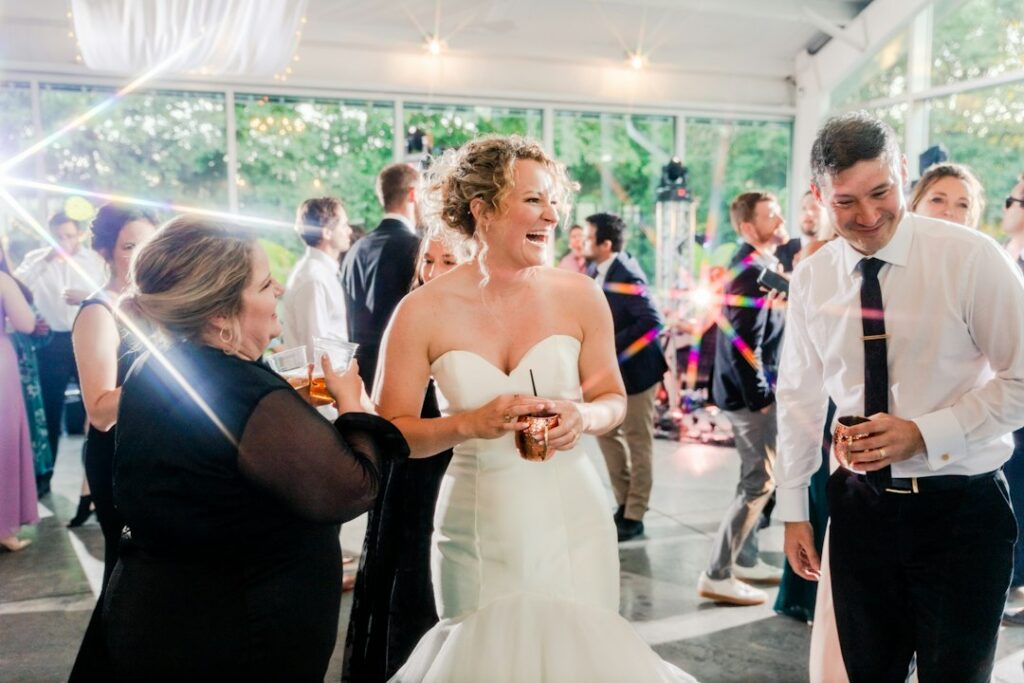
A lively dance floor usually depends less on expensive entertainment than on thoughtful timing, comfortable surroundings, and music that helps different age groups feel included. For couples planning a reception in Colorado Springs, CO, local conditions such as dry air, changing temperatures, elevation, and travel distances between ceremony and reception can also affect guests’ energy.
What makes guests want to dance?
Guests are more likely to dance when they feel comfortable, recognize some of the music, and understand that the dance floor is meant for everyone—not only the most outgoing people in the room.
A strong reception creates momentum gradually. Dinner, speeches, special dances, and open dancing should feel connected rather than divided into long stretches of waiting. The first few songs after dinner are especially important because they establish whether the evening feels active or subdued.
Several factors influence participation:
- Music that includes multiple generations and tastes
- A dance floor that is easy to see and reach
- Adequate lighting without making the space feel harsh
- A comfortable room temperature
- A schedule that avoids long interruptions
- Food and beverages available without pulling everyone away from the main room
- Hosts or wedding party members who are willing to dance early
The goal is not to keep every guest dancing continuously. A successful reception gives people natural opportunities to dance, rest, talk, eat, and return to the floor.
How should the reception timeline be arranged?
The dance floor usually stays fuller when the reception avoids long gaps between activities. Speeches, dinner service, cake cutting, and formal dances should be planned with the energy of the room in mind.
A common mistake is placing every formal event together after dinner. Several speeches followed by a long meal delay can make guests feel that the reception has stopped. Shorter remarks and a clear transition into dancing help maintain attention.
A practical sequence might look like this:
- Welcome and dinner
- Brief speeches while guests are seated
- A first dance or family dance
- A familiar, upbeat song that invites broad participation
- Open dancing
- Cake cutting or dessert during a natural pause
- Another dance set
- A final group song or send-off activity
The exact order can vary, but transitions should be announced clearly. Guests are more likely to join the floor when they know what is happening next.
What kind of music keeps different guests involved?
A reception playlist should balance familiarity, variety, and pacing. Playing only current hits may leave older relatives disconnected, while relying only on older favorites can make younger guests lose interest.
A useful music plan moves through different eras and styles without making abrupt changes that empty the floor. Include songs that appeal to:
- Older relatives and family friends
- College-age and young adult guests
- Children or teenagers attending the reception
- Guests who prefer country, pop, rock, soul, Latin styles, or other familiar genres
- People who enjoy group dances and sing-alongs
Requests can help, but the playlist should not become a series of unrelated songs. A group may respond well to a familiar song with a steady rhythm, then stay on the floor for a faster or more modern selection.
Not every popular song is appropriate for every family. Reviewing lyrics and cultural expectations ahead of time can prevent awkward moments, particularly when children, grandparents, or religious family members are present.
How can the dance floor feel inviting?
The location of the dance floor matters. If it is hidden in a corner, separated from the main seating area, or surrounded by empty space, guests may be reluctant to use it. A central, visible floor makes dancing feel like a shared part of the reception rather than a separate activity.
Tables should allow guests to see the floor without needing to move through crowded pathways. Seating should remain close enough that people can join briefly and return to conversation.
Lighting also affects participation. Bright overhead lights can make the room feel formal or exposed, while very dark lighting can make it difficult for guests to navigate. Soft, focused lighting usually creates a more comfortable atmosphere. Any decorative lighting should leave stairs, exits, walkways, and changes in flooring clearly visible.
Room temperature deserves attention as well. Dancing generates heat, and reception spaces can become uncomfortable quickly. In Colorado Springs, dry air and rapidly changing outdoor temperatures may make guests notice indoor comfort more than expected. A room that feels pleasant during dinner may feel warm once the dance floor fills.

Should the wedding party start dancing first?
Yes. Guests often look to the couple, attendants, and close family members for social cues. If the dance floor remains empty during the first open-dancing songs, some guests may assume the reception is not ready for dancing or that they are expected to wait.
The wedding party does not need to perform or remain on the floor all night. Simply having a few familiar faces participate during the opening songs can reduce hesitation.
A helpful approach is to choose an opening song with a broad appeal instead of a highly specific favorite. Once several people are dancing, others can join without feeling as though they are being singled out.
Group dances can also help, but they should be used selectively. Too many choreographed activities may make guests feel that dancing requires instructions or special skill. Most people are more comfortable when they can move casually.
How do food and drinks affect dancing?
Food supports energy, but the timing and format matter. Guests who are hungry may leave the dance floor, while a long meal break can make it difficult to rebuild momentum.
A reception with a full meal should provide enough time for guests to eat before the most active dancing begins. Later in the evening, smaller snacks or dessert can help people stay comfortable without creating another lengthy interruption.
Water should be easy to find, especially during warmer months or active dancing. Guests may not want to walk far from the dance floor for a drink. This is particularly useful in a dry climate, where people can become uncomfortable before they realize they need to rehydrate.
Alcohol does not create a dependable dance floor. Some guests do not drink, and excessive alcohol can lead to unsafe behavior, uncomfortable interactions, or an early end to the celebration. A welcoming reception gives guests plenty of nonalcoholic choices and does not treat drinking as a requirement for participation.
What commonly causes the dance floor to empty?
Several avoidable problems can reduce participation:
- Long speeches or repeated announcements
- Music that appeals to only one narrow age group
- Excessive volume that makes conversation unpleasant
- A dance floor placed far from the seating area
- Poor ventilation or an overheated room
- An early last call for music without warning
- Too many slow songs in a row
- Interruptions for photographs that take guests away from the floor
- A playlist with abrupt changes in tempo or style
A quieter period does not always mean the reception is failing. Guests may need time to eat, talk with relatives, or rest. The better question is whether the event offers a clear opportunity for them to return to dancing.
How can couples plan for different energy levels?
Not every guest will want the same amount of activity. Older adults may prefer shorter dance sets, families with children may leave earlier, and guests who traveled a long distance may need breaks.
A flexible timeline can serve more people than an attempt to maintain nonstop dancing. Keep the most energetic portion of the reception early enough that guests who leave before the end still experience it. In communities where guests may travel across a broad area or drive home after the event, a gradual close can be more practical than extending the celebration late into the night.
Provide comfortable seating near the dance floor, clear walking routes, and a quieter area for conversation if the venue allows it. Guests are more likely to return to dancing when taking a break does not require leaving the reception entirely.
The most dependable dance floors are built around inclusion: familiar music, good pacing, visible participation, comfortable temperatures, and enough flexibility for guests to enjoy the evening in different ways.